PORSCHE 911 (991) 3.8 CARRERA GTS PDK
Outstanding Massive spec GTS with over £25 in factory options and full OPC service portfolio and only 29000 miles!£72,995
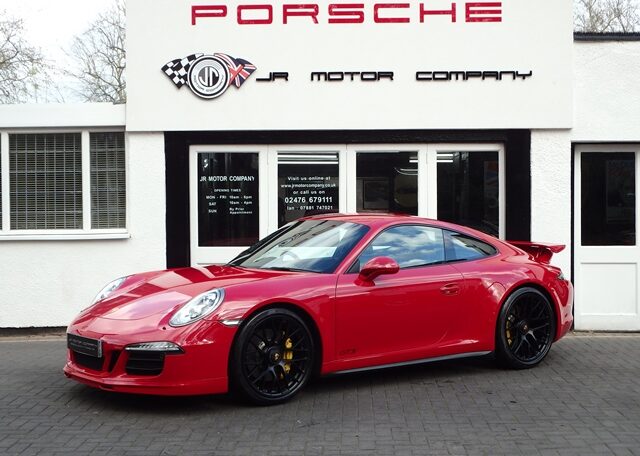
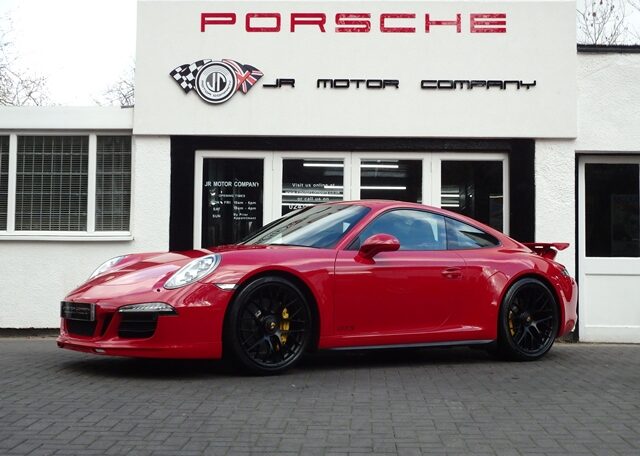
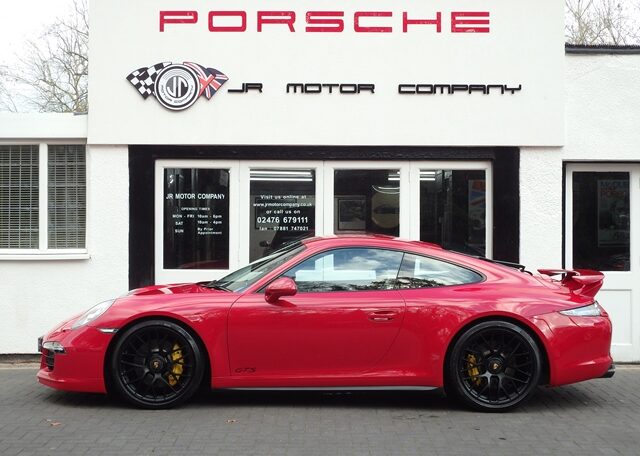
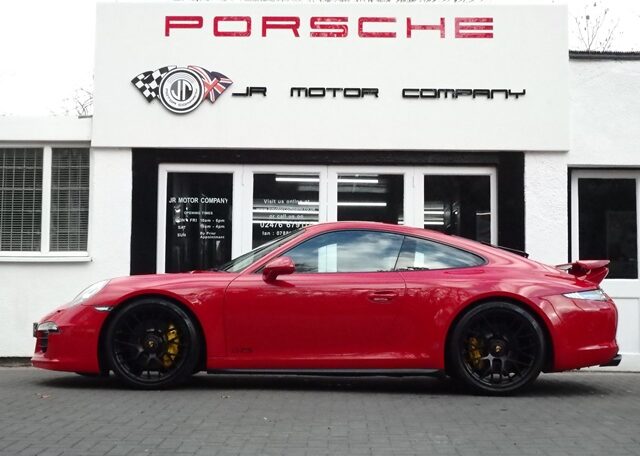
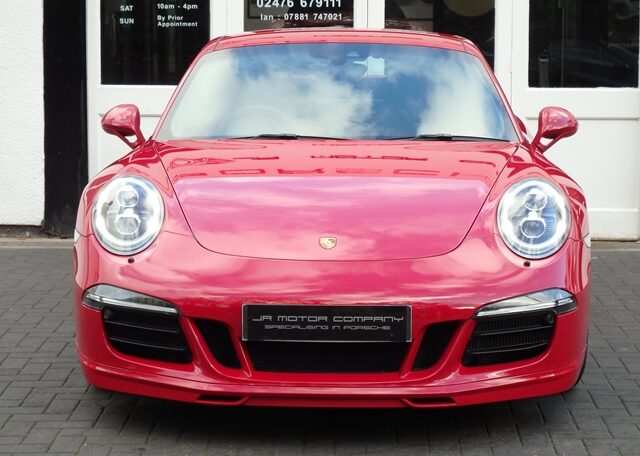
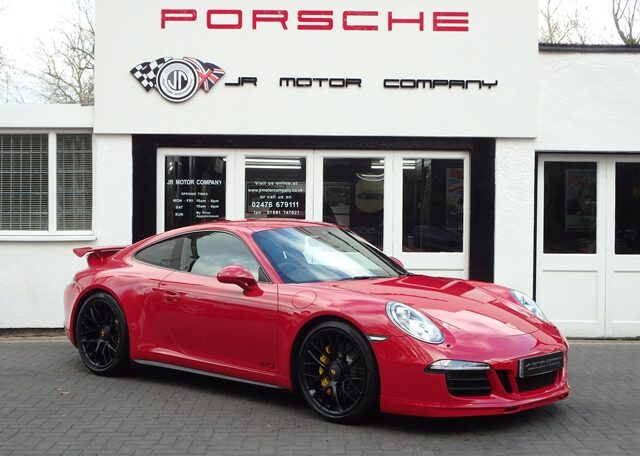
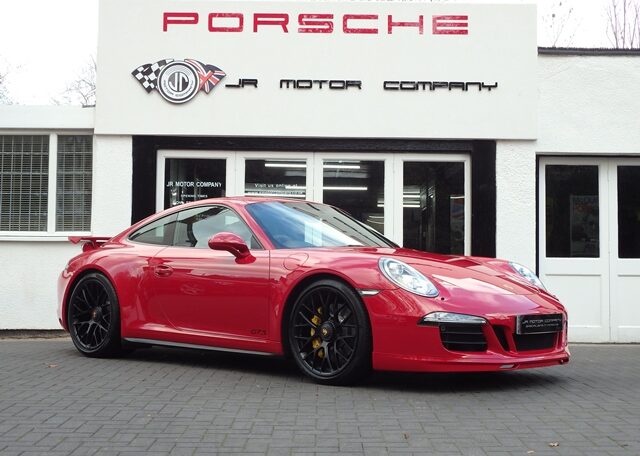
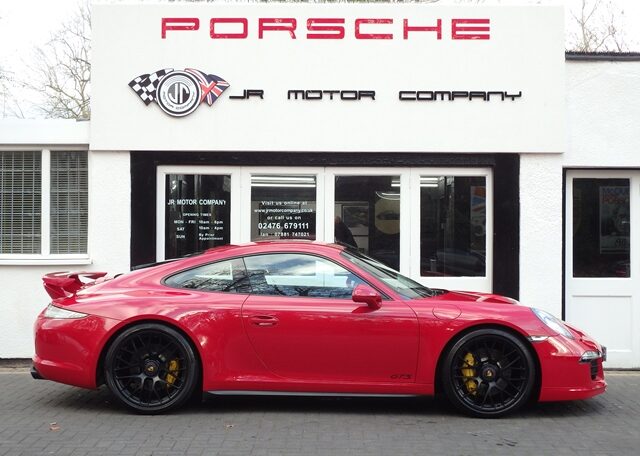
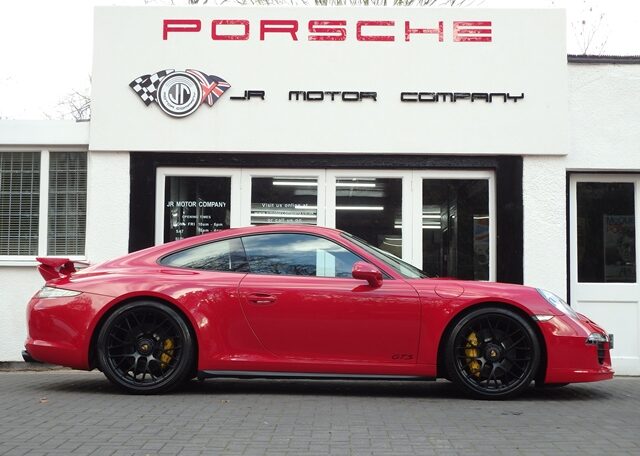
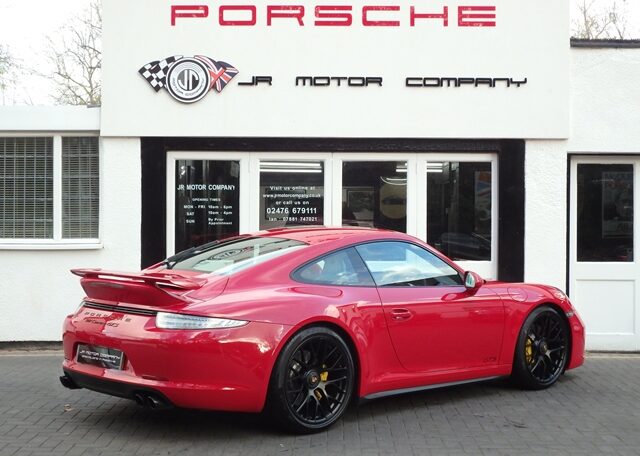
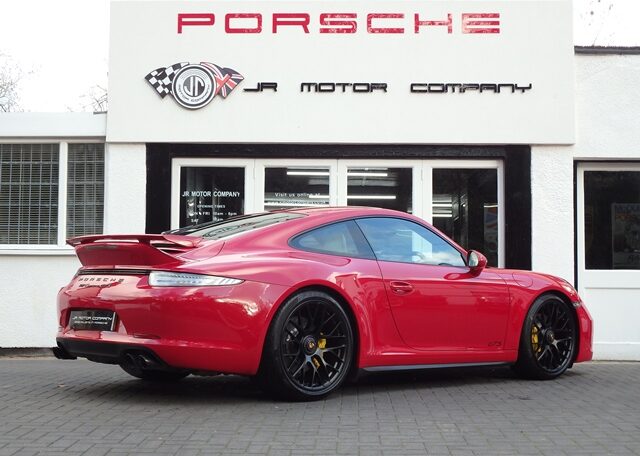
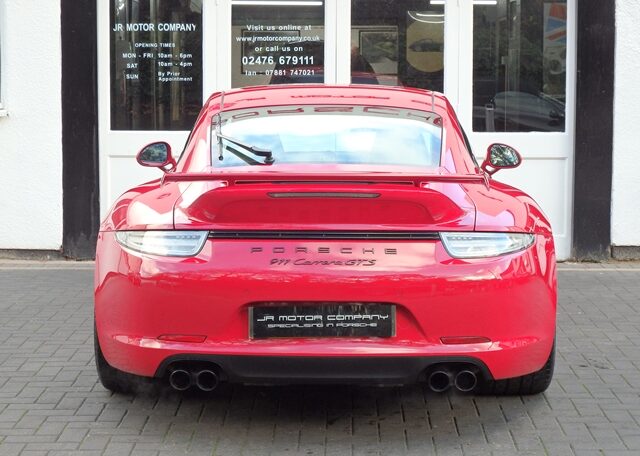
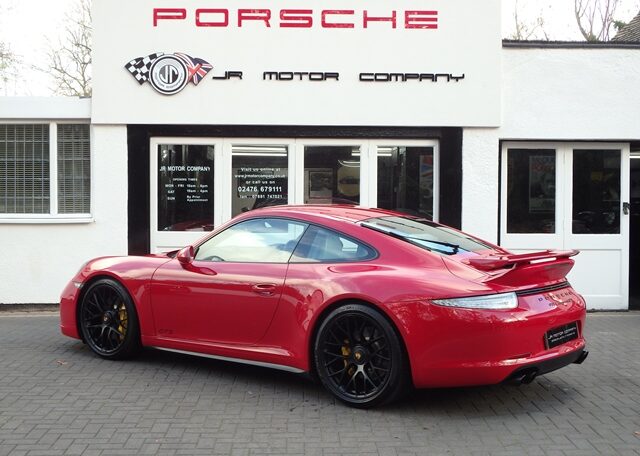
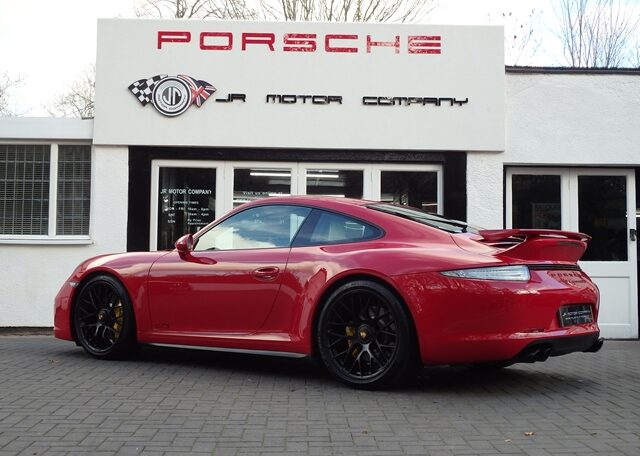
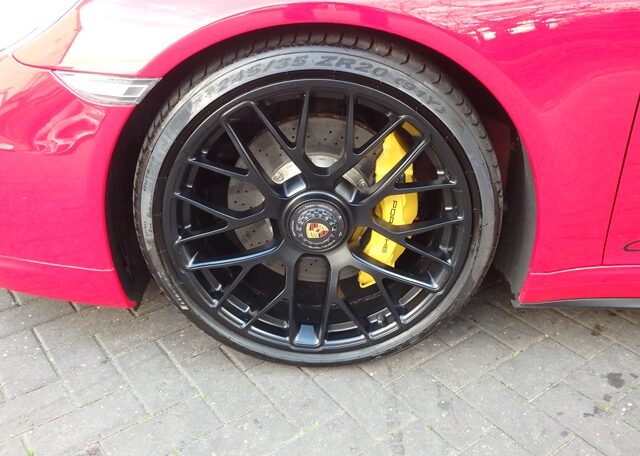
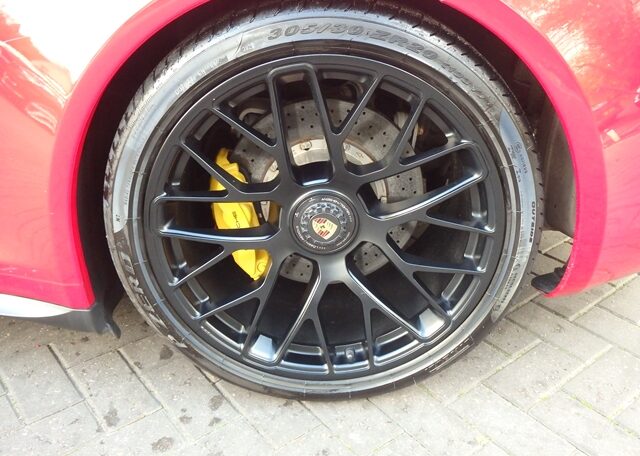
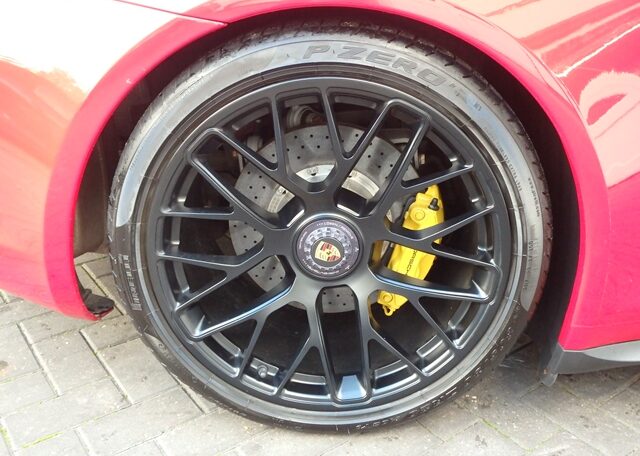
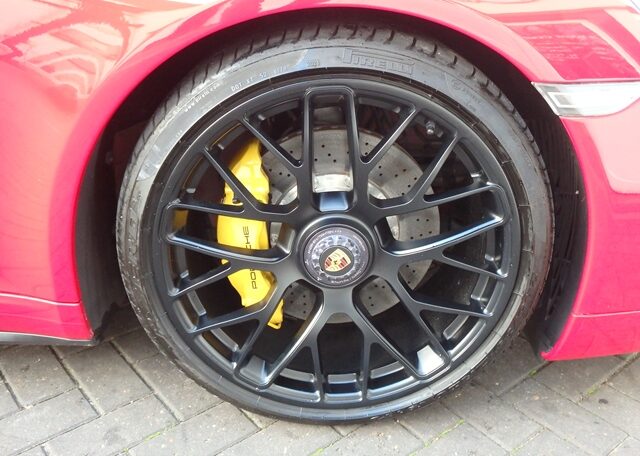
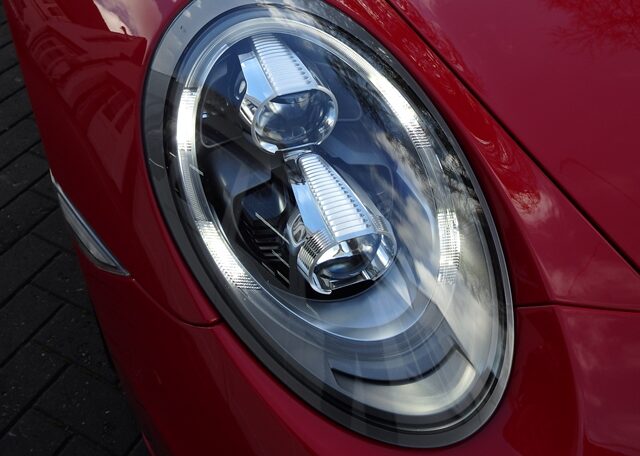
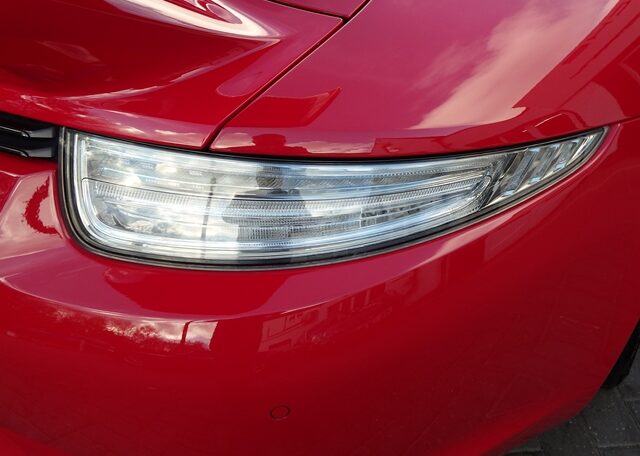
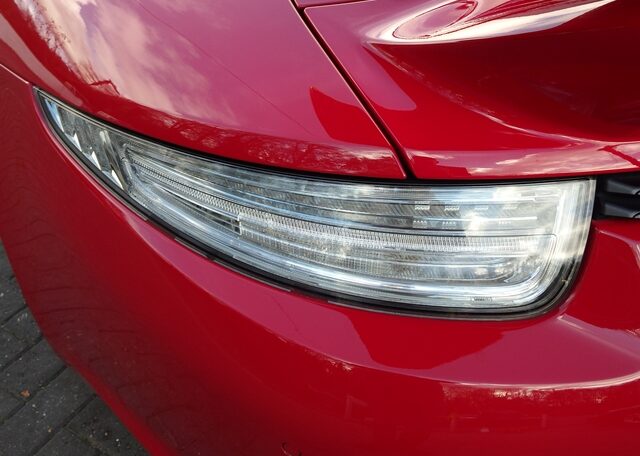
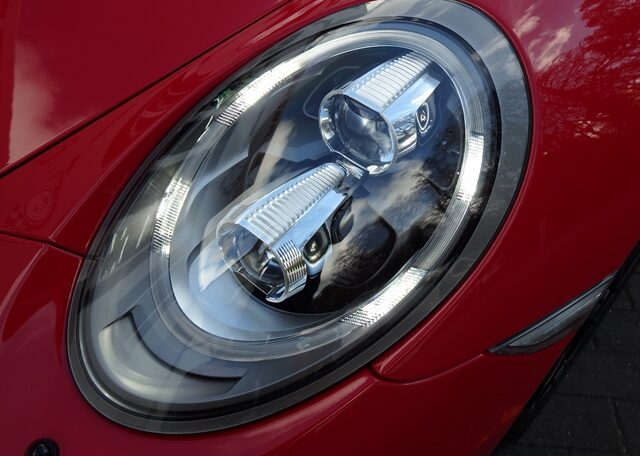
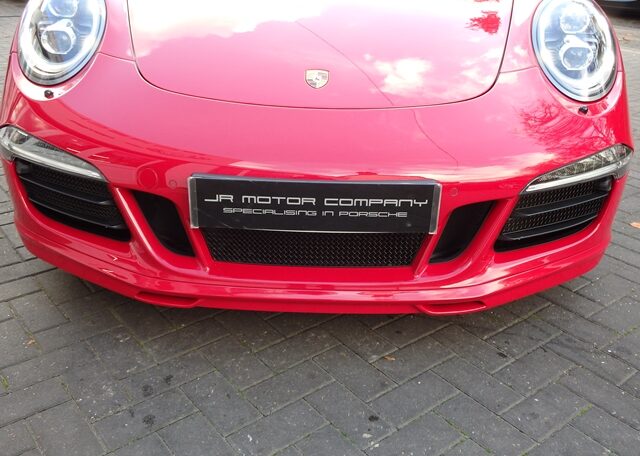
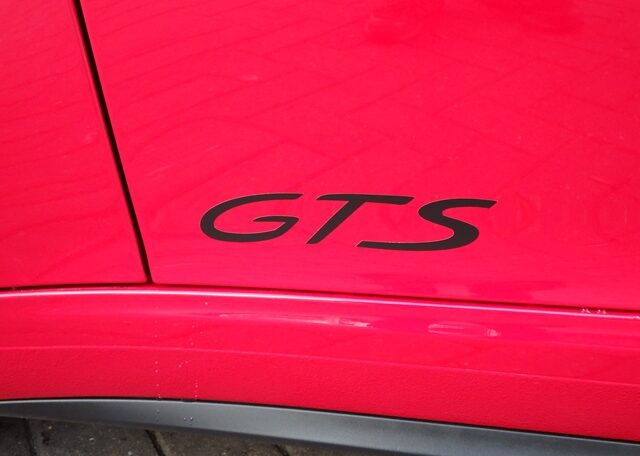
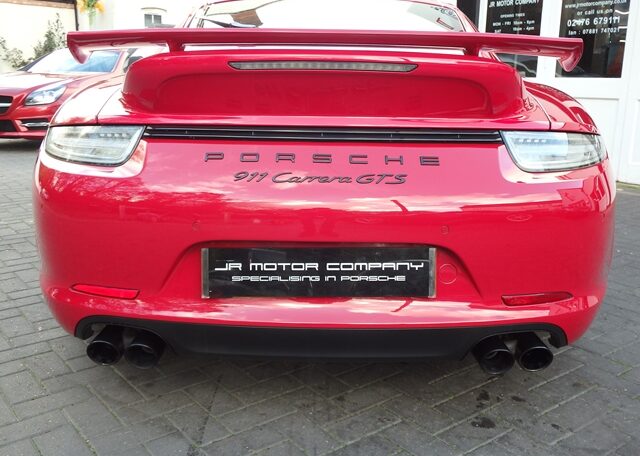
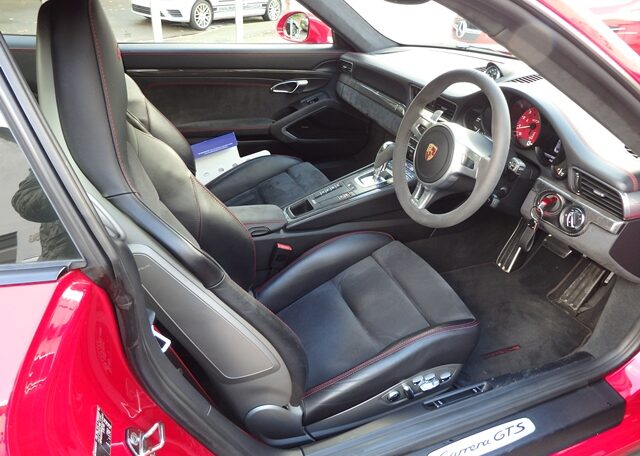
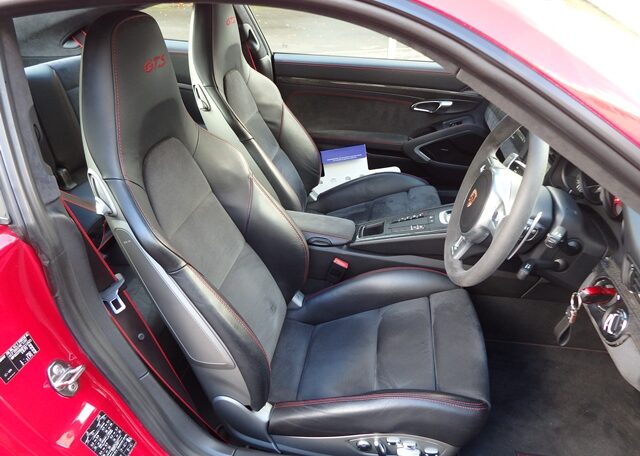
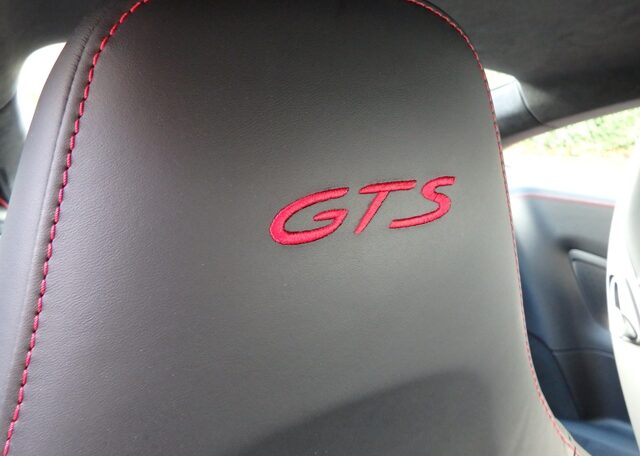
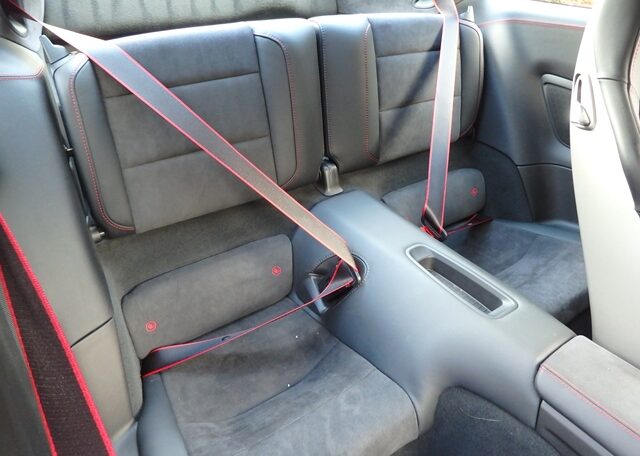
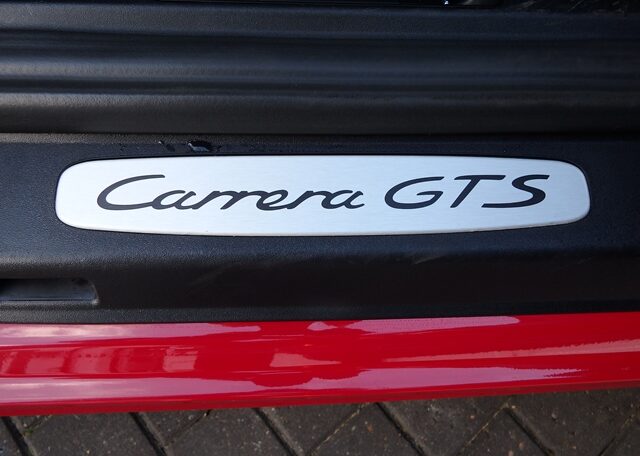
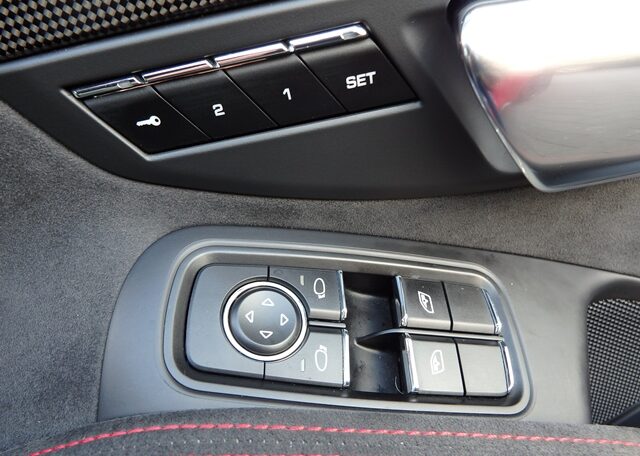
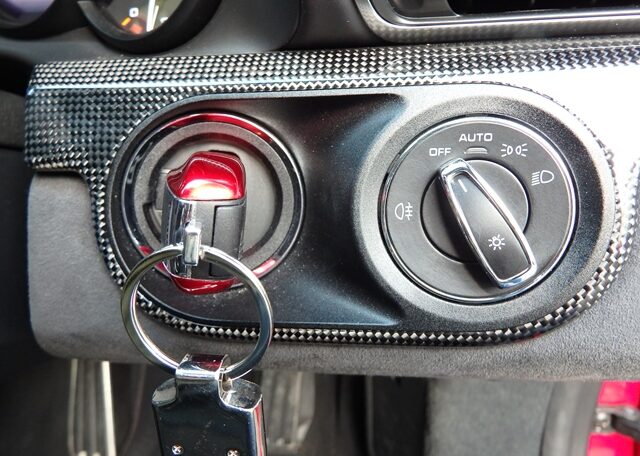
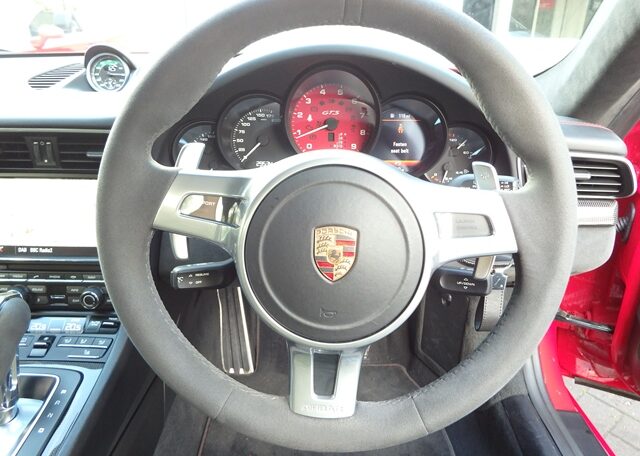
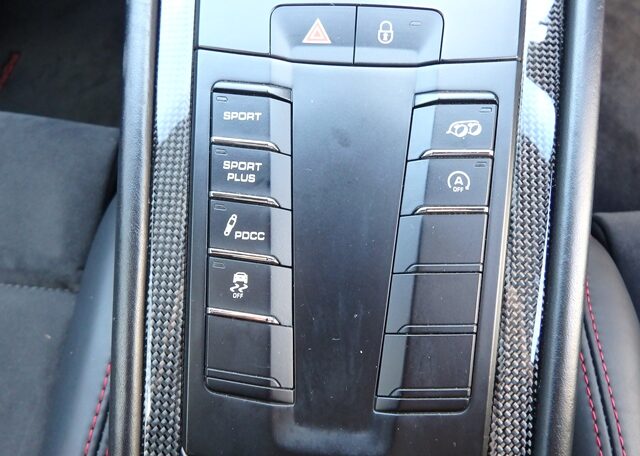
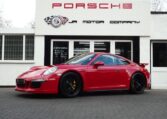
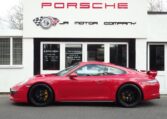
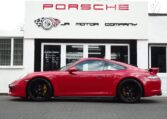
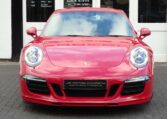
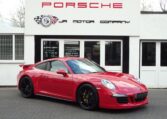
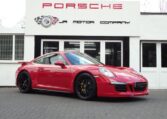
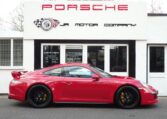
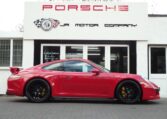
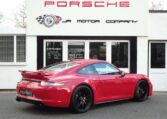
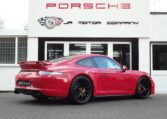
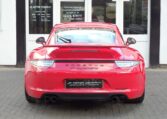
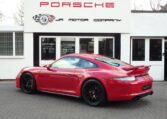
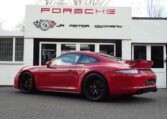
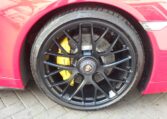
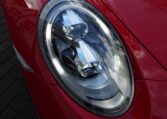
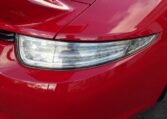
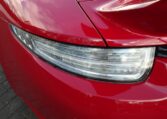
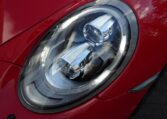
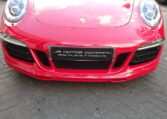
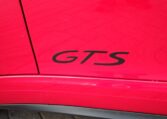
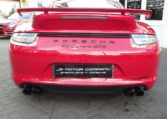
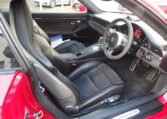
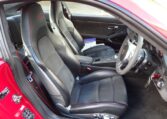
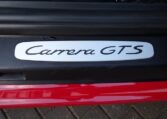
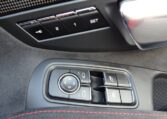
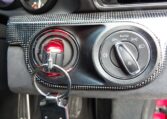
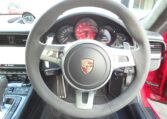
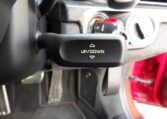
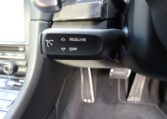
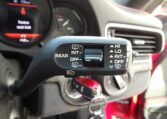
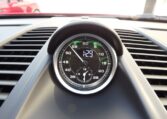
Porsche 911 991 3.8 Carrera GTS PDK finished in Carmine Red paint.
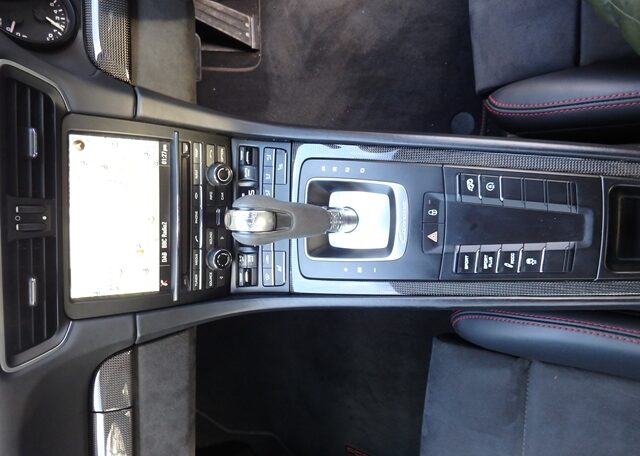
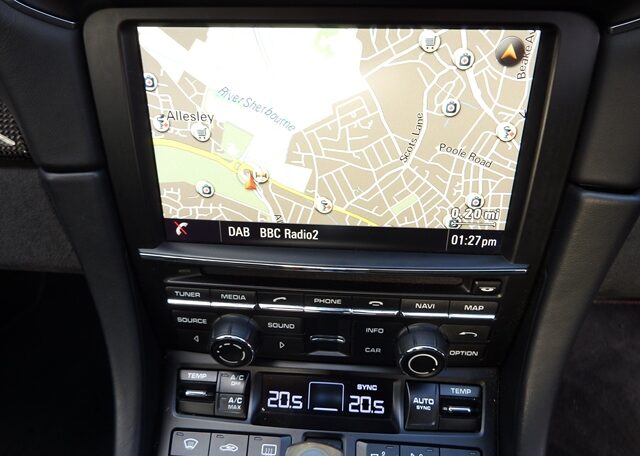
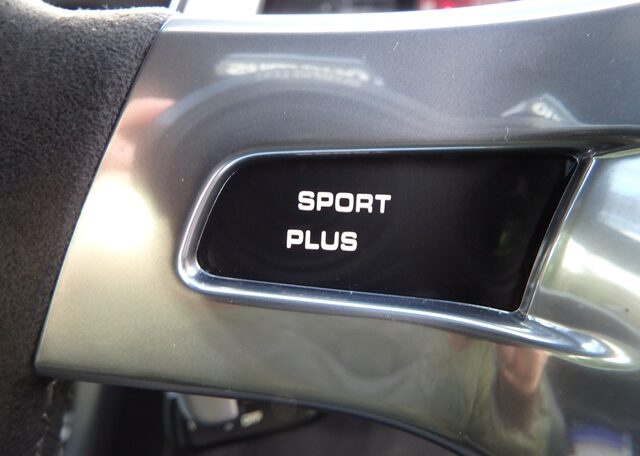
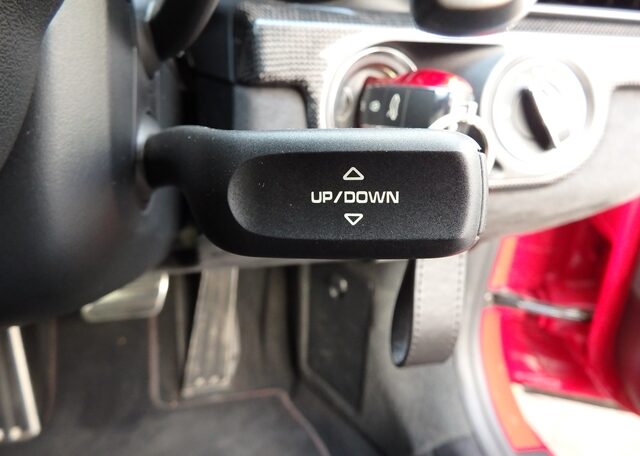
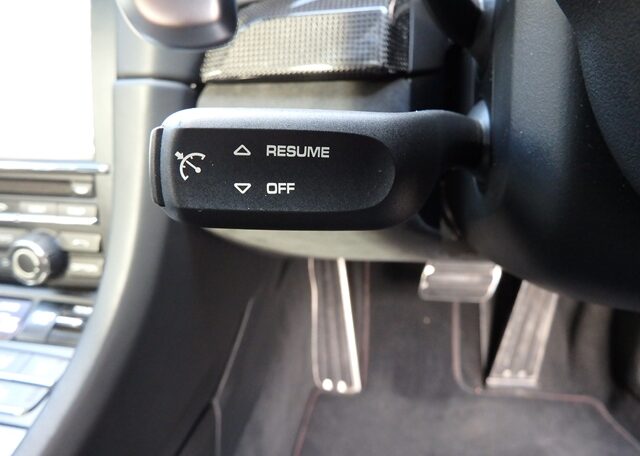
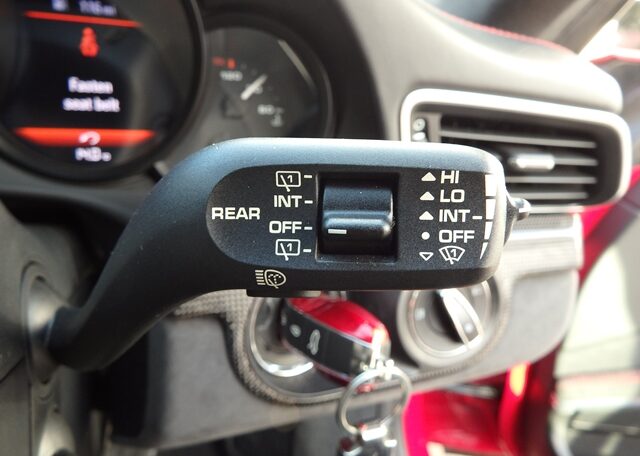
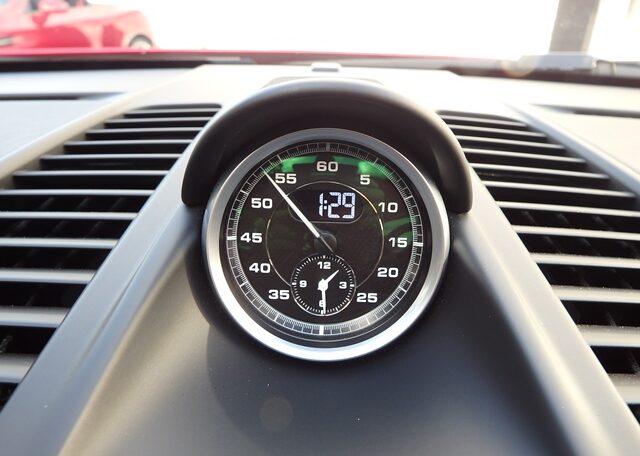
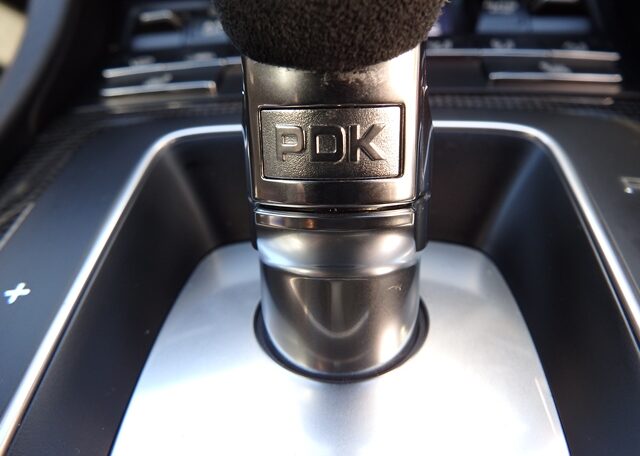
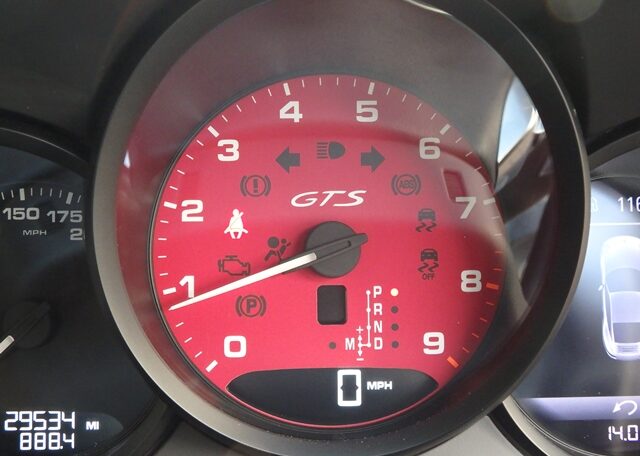
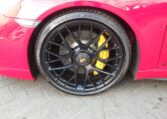
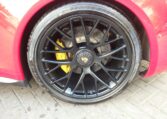
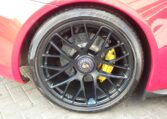
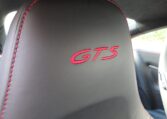
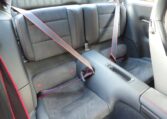
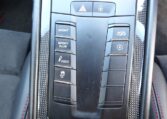
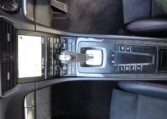
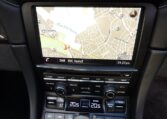
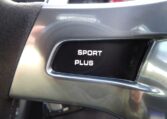
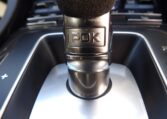
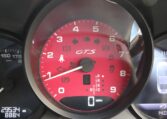
This is a totally unique and one off massive spec 911 991 3.8 Carrera GTS PDK Finished in Carmine Red paint with a huge list of factory fitted options which includes full Aerokit cup package,GTS interior package with Black smooth leather and alcantara trim to inc doors,dashboard,center console and dashboard along with transmission tunnel finished in leather with stitching in carmine red,18 way Adaptive hardback sports seats plus with full adjustment and memory,heated seats,alcantara headlining,carbon interior package,sport design steering wheel with paddles in alcantara,red instrument dials,cruise control,rear wiper,clear rear lights,mirrors painted in bodycolour,decals in satin black,(PVTS) Porsche vehicle tracking system,(PDK) Porsche Doppelkupplung double clutch 7 speed gearbox,(PCM3.1) Porsche communications management touch screen extended satellite navigation with European function,Bluetooth,DAB,Telephone module linked with Bose sound package and USB audio interface for iPod and mp3 use,CD storage,(PSM) Porsche Stability Management,top tinted windscreen,fully automated dual zone climate controlled air conditioning,ultrasonic park assist front and rear,LED headlights with (PDLS) Porsche Dynamic Lighting System with wash,interior light design package,rear interior light package,auto dimm interior and exterior mirrors with rain sensor,Porsche overmats,20 inch Turbo S alloy wheels finished in satin Black with colour crested wheel center locking system wrapped in Pirelli P Zero N rated tyres,(TPMS) Tyre Pressure Monitoring System,(PCCB) Porsche Ceramic Composite Braking System,Zunsport front bumper grilles,(PTV PLUS) Porsche torque vectoring system with rear diff lock,(PDCC) Porsche dynamic chassis control Sports chassis plus (PASM) Porsche Active Suspension Management and the amazing options of Sport chrono package plus linked with Sport and Sport plus controls along with dynamic engine mounts and black faced stopwatch together with (PSE) Porsche switchable sports exhaust with sports tailpipes to complete the package and one amazing one off GTS.This stunning 911 comes complete with a fully documented OPC Porsche service portfolio with 5 stamps together with all spare keys and handbook pack.A very special and unique 991 with Stunning looks,awesome sound and a specification better than any other GTS!
Contact us anytime to arrange a viewing.
- (PASM) Porsche Active Suspension Management
- (PSE) Porsche Switchable Sports Exhaust System
- (PSM) Porsche Stability Management
- (PTV) Porsche torque vectoring
- (TPMS) Tire Pressure Monitoring System
- 2 zone climate controlled a/c
- 20" Turbo Alloys
- Aero Cup Kit
- Alcantara Headlining
- AUX Interface
- Bi-Xenon Headlights
- Bluetooth® Handset
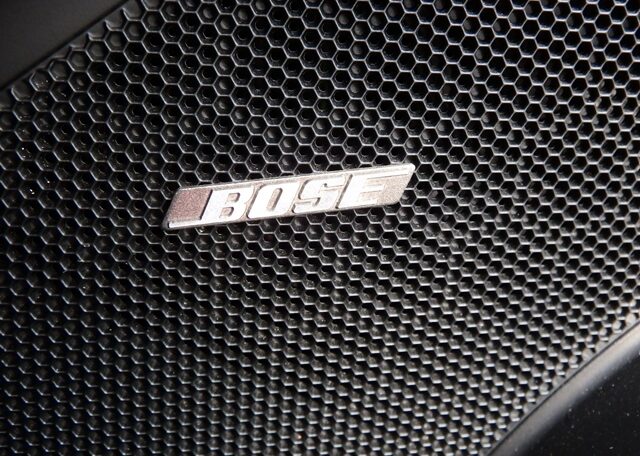
- BOSE® Surround Sound
- Climate Controlled Air Conditioning
- Colour Crested Wheel Centers
- Cruise Control
- dual zone climate controlled air conditioning
- Extended Leather
- GTS interior pack
- Hardback Sports Seats
- Heated Seats
- Park assist front and rear
- PCCB Porsche ceramic composite braking system
- PCM3.1
- PDK
- PDLS
- Porsche sports exhaust
- PTV Plus
- PVTS
- Satellite Navigation
- Seat Belts In Guards Red
- Sport Chrono Package plus
- Sport Design Steering Wheel with Paddles
- Sports exhaust tailpipes
- Universal Multimedia Interface
- USB Audio Interface
- Wheels finished in satin black
- X51 Powerkit
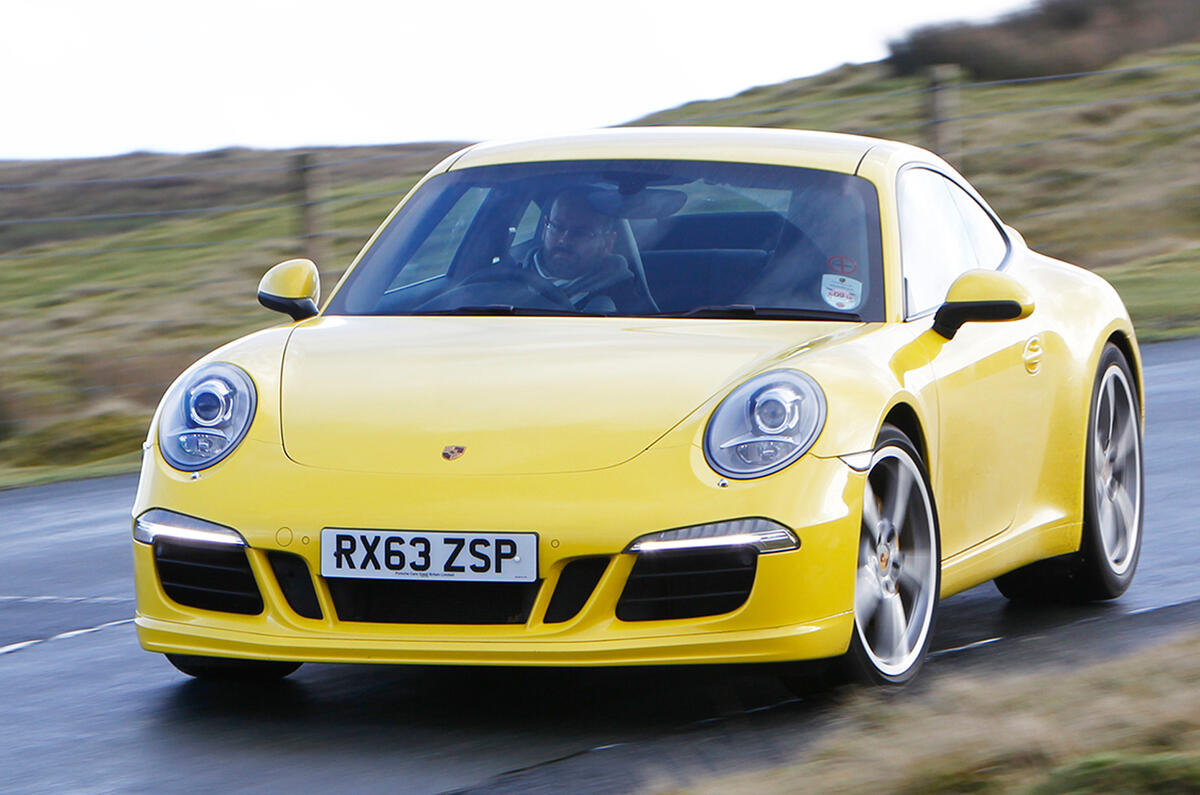
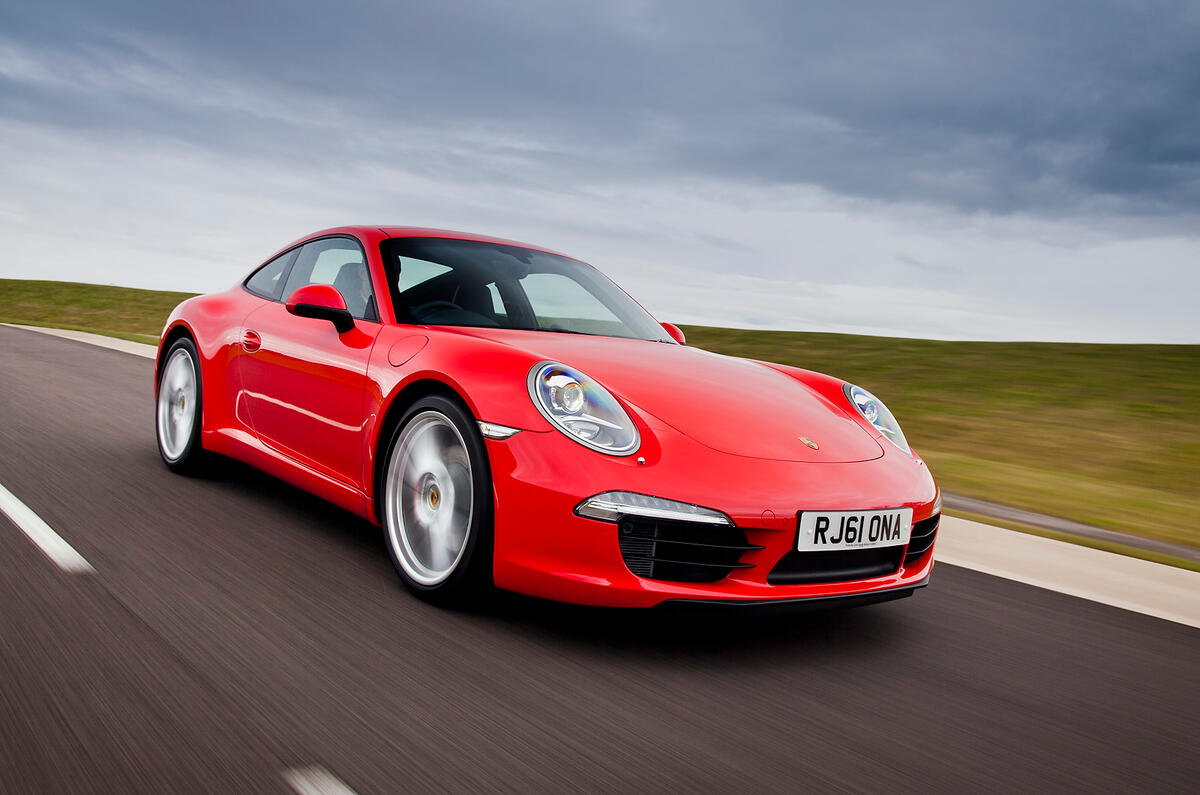
Conceived as a larger, more comfortable successor to the Porsche 356 and originally powered by a 2.0-litre, 128bhp flat six engine, this effervescent sports car has kept up with the standards of the market’s freshest performance machinery through nearly half a century of technical evolution and refinement.
Technologies such as direct fuel injection, turbocharging, four-wheel drive and, most famously, water cooling have been seamlessly integrated, but all the while the 911's legendary and utterly beguiling motive character has survived undimmed.
But never has this car taken such a significant leap as the one that delivered it from 997 to this generation, the 991. With 90 percent of the car’s mechanical ingredients new or improved, this 911 features completely new axle dimensions, electromechanical power steering, a downsized engine, a construction richer in aluminium than ever before and the passenger car’s first seven-speed manual gearbox.
That the car still looks so much like the familiar 911 is proof that Porsche knows and values what it's got in this evergreen sporting asset.
And yet, in spite of the protestations of so many dyed-in-the-wool Porsche devotees, Zuffenhausen clearly isn't afraid to do what's necessary to keep this automotive legend current and competitive.

Even though it’s substantially new, a casual observer isn’t going to mistake this car for anything other than a Porsche 911. Its shape is now so easily recognisable that it has become an icon.
However, in its latest iteration Germany’s most famous automotive export has grown by 56mm in overall length, 100mm in wheelbase and 46mm at the front track over its predecessor.
If you understand basic physics, you need know very little of this Porsche’s dynamic back story to work out why. With a longitudinal engine and gearbox hung out behind its rear wheels, the 911 has always been fundamentally inclined towards two idiosyncratic behavioural problems: power understeer and body pitch. For lever, fulcrum and load, think body, rear axle and engine. With more space between both the axles and the individual front wheels, both key dynamic challenges have been addressed here.
Aluminium has been used in place of steel throughout a great deal of the new 911’s construction. On the 991, almost all of the exterior body panels are aluminium and most of the body-in-white, except in areas such as the car’s pillars, where high compression strength is required.
As a result, on the coupé there’s like-for-like weight saving of around 45kg over its predecessor (depending on which model you are driving and what extras are fitted) and a 20 per cent improvement in torsional rigidity.
The current 911 model range is still relatively young and part-formed, which means many of the richer, more powerful and more focused versions are still to come.
But already the range includes the 345bhp 3.4-litre Carrera, the 395bhp 3.8-litre Carrera S, the 468bhp 3.8-litre GT3, Porsche the 513bhp 3.8-litre Turbo and the 552bhp 3.8-litre Turbo S.
Four-wheel drive is offered as an option on the Carrera models, costing around £5000 and adding a wider body and extra specification to the car as well as the additional driveshafts. The Porsche Turbo models, meanwhile, get all-paw traction as standard.

Over the generations, Porsche 911 cabins have been, if not good, then good enough. The car’s 2+2 seating has made everyday usability a long-serving trump card, but there’s now so much more to recommend this driving environment.
Porsche can, at last, be congratulated for making its sporting icon as comfortable and well appointed as almost any £70k sports coupé on the market.
The driver's view forward is framed by a high scuttle and a wide plateau of a dashboard. The sense of intimacy with your passenger has been reduced a little by greater interior width and by a dividing centre console that rises further as it flows forward to meet the fascia’s centre stack.
Like every other control panel in the new 911, that centre stack is fitted with neat, aluminium-accented switchgear arranged in logical clusters. There are no afterthoughts here and nothing haphazard or even remotely out of place. Tactile material quality and haptic feedback are also first rate.
You’ll find warmer and more ostentatious cabin treatments in other sports cars, it’s true, but this one remains slavishly devoted to function – namely, the business of driving – hence the large central tacho and the inclusion of both oil and water temperature gauges. But 911 devotees wouldn’t have it any other way.
Space for passengers in both the front and rear seats ought to have been improved, given the car’s longer wheelbase. And yet maximum head and legroom measurements in the 991 are, according to our measurements, as close to those of the 997 coupé to make for no meaningful improvement to overall accommodation.
The rear chairs remain for children only, and then only if those in the front seats are prepared to give up some legroom.

Power for the entry-level Carrera model comes from Porsche's 3.4-litre flat six. It has a shorter stroke than the outgoing 3.6 and aluminium camshaft positioners contribute to a greater peak revs.
Peak torque of 288lb ft is the same as before, but it arrives more than 1000rpm higher on the tacho than it did in the previous 3.6. Peak power of 345bhp eclipses that of the base 997 by five horspower, but doesn’t turn up until 7400rpm. The new 911’s red line is a heady 7800rpm.
However, this 3.4 can seem a little unenergetic and run-of-the-mill at first, pulling matter-of-factly through the low rev range. But get the crankshaft spinning more quickly and the fireworks materialise.
At 4500rpm there’s a pleasing additional hit of potency, which ramps up again at 5600rpm as the engine passes peak torque. Then, from 6000rpm, Porsche’s flat six serves up a final impressive layer of sound and fury, with enough power for it to feel exciting and effortlessly fast, but always manageable – never savage or unruly.
Despite the Carrera S holding on to what is essentially the same 3.8-litre, six-cylinder engine as the old model, Porsche has held true to 911 tradition by raising the output.
Power climbs to a new peak of 395bhp at 7400rpm, in the process taking its specific output beyond 100bhp per litre. Torque also improves by 13lb ft to 324lb ft at 5600rpm. With the drop in weight figured in, the greater reserves provide for a 16bhp-per-tonne gain in the vital power-to-weight ratio at 282bhp per tonne.
The detail changes Porsche has made to the engine give the new Carrera S a gutsier feel across a wider range of revs. It may lack the sheer intensity of some of the engines available at the price level, but the evergreen flat six remains as stirring as ever.
Unlike the engine, the new 911's gearbox is all-new and rather special, too. Replacing the old six-speed manual is the first ever seven-speed manual to make its way into a series-production road car.
Based around the seven-speed PDK gearbox, the ground-breaking manual uses a mechanical lock-out to stop you from inadvertently shifting into seventh. The new top gear can only be selected via fifth or sixth and in truth is best considered only for long-distance cruising.
In practice it works reasonably well, although if you’re really pressing on it can leave you fishing around a bit in the gate. Furthermore, the shift action is good but not great.
Oddly, that leaves the buyer with a tough choice: the fiddly seven-speed manual, which you’ll no doubt get used to with time and which is undeniably a fraction more engaging, or the ultra-slick PDK system, which lacks the level of involvement but is so crisp and so precise that it is a pleasure to use even when you’re just plodding along.

Fundamental advancements have been made to the way the Porsche 911 carries itself, and while we had a circuit at our disposal as part of this test, you don’t need one to appreciate them. Any road with a medium-sized bump in it tells you everything you need to know.
Hit that bump reasonably briskly and you’ll find out that, unlike every 911 that preceded it, the natural handling gait of the 991 is more consistent and more settled and its equilibrium is much harder to disturb. And when it is interrupted, the new car’s nose doesn’t bob up and down and interfere with the effectiveness of the steering, as you expect it to.
The new 911 doesn’t have the perfect primary ride of a mid-engined sports car, either; Porsche’s chassis engineers clearly understood something had to give. So, when you really stretch it, you’ll unearth a very gentle vertical lope over the rear wheels that characterises the car’s primary ride. It’s a tendency that doesn’t affect directional stability or disrupt traction, though.
Some claim that change represents a shift in dynamic character so essential that it lessens this new 911’s capacity to engross and reward, and that it makes the car less distinctive to drive. Not us. Here’s the bottom line: at the limit of grip, the 991 still handles like a true 911. And during sporting road driving, it communicates, entertains and involves as vividly as any.
Concerns about that electromechanical power steering can be forgotten. No, it isn't as chattery as the steering of its predecessors, but by current standards it's still great. Information, rich and abundant, comes streaming through the 991’s wheel rim, as well as via its pedals and seat, with every change in surface camber and grip level. The car’s handling is near-perfect in terms of its balance and its measured, obedient responsiveness.
The dynamic character of the 911 firms up slightly as you add driven wheels and power and, like so many modern machines, it's also regrettably conditional on optional equipment. Our test experience suggests that the car is at its best when its equipment level is kept to its most simple: on modest wheels and without PDCC active anti-roll bars or variable-assistance steering.
Leave the expensive carbon-ceramic brakes to one side unless you've got regular track work in mind; have the PASM actively damped suspension and Sport Chrono Package Plus again only if you've got lots of circuit appearances planned.
But above all, buyers can have faith in the integrity and every-occasion suitability of Porsche's bog-standard chassis set-up, because it's very good.

Porsche must be applauded for leaving well enough alone as far as the 911’s market positioning is concerned.
The entry-level Carrera is cheaper than BMW’s headline 650i coupé and is within touching distance of Jaguar’s naturally aspirated XK. And yet the car’s purity and focus set it as far apart from its competitors as ever and provide a shining reason to buy.
Zuffenhausen isn’t accustomed to working hard to deliver value for money, though, and could have been more generous with the 991’s standard equipment. On how many other cars at this price tag, after all, would buyers accept paying extra for things like a rear window wiper, floor mats or cruise control?
Credit where it’s due, however, for a highly impressive result on our fuel economy touring test in the Carrera. Getting 35.3mpg out of a true sports car is rare indeed. Our 21.2mpg average return shows that you have to be capable of resisting the lure of the car’s tantalising performance in order to get that kind of economy out on the road, though.
We haven’t run such extensive fuel economy tests on the Carrera S, although it is rated at a 32mpg average, which is impressive, given its increase in performance over the entry-level car. You do have to be aware of its higher CO2 output and tax band, though, as these make a significant addition to the running costs.
In particular, fuel economy is aided by a so-called sailing function in PDK-equipped cars, which sees the engine disconnected from the gearbox via the clutch on periods of trailing throttle, allowing it to roll freely at idle on slight downhill grades.

Once again, Porsche has hit the nail absolutely plumb on the head with its most treasured sports car and gone straight back to the top of the class. The 991-generation Porsche 911 is a triumph.
Those who frowned at the mention of so much efficiency-enhancing technology, or who suggested the 911 would somehow lose its dynamic sparkle this time around, should simply have had more faith in the company that has delivered this incredible car to into its fifth decade.
for while the 911’s handling may have changed a little, in our book it remains as wonderful and distinctive as ever – only built on a broader foundation of dynamic competence and complemented by as strong a performance footing as most will ever want.
Complaints? There are a few, but in truth they’re more like quibbles. The shift quality on the manual could do with a frisson of sharpening, the torque curve on the 3.4 could be a little wider and the miserly standard equipment list leaves a fractionally bitter taste in the mouth.
On that latter point, we’d make a few recommendations: folding door mirrors, cruise control, a multi-function steering wheel and Porsche’s telephone module are all sensible options. Conversely, in the chassis department less seems to be more. Normal dampers, with no steering or roll-bar options, leaves the 911 a very honest-driving, engaging sports car.
Beyond that, though, there really is little to criticise. Whichever engine you chose, and whether you go two-wheel drive or four, this is a car that not only sits at the top of the class but also covers pretty much everything that the opposition can throw at it in every area.
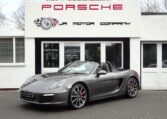
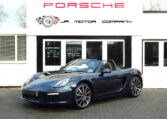
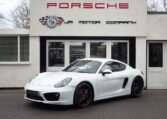
A selection of our Porsche models currently available for sale.